Выбор телевизора Samsung: какая серия лучше?
Компания Samsung Electronics давно является признанным лидером среди производителей телевизоров. Под брендом «Самсунг» выпускается 9 серий, каждая из которых имеет свои особенности. Рассмотрим подробнее модели каждой серии и выясним, по каким критериям нужно выбирать телевизоры Samsung.
- 1. Критерии выбора телевизора Samsung
- 1.1 Full HD или 4К?
- 1.2 Обычный или изогнутый экран?
- 1.3 Другие характеристики экрана
- 1.4 Технология Smart TV
- 1.5 Сколько тюнеров?
- 1.6 Время отклика
- 1.7 Поддержка HDR
- 1.8 Технологии ЖК-экранов
- 2. Рейтинг лучших моделей из своей серии
- 2.1 UE24H4070AUXRU 4 серия — для кухни и дачи
- 2.2 UE43T5300AUXRU 5 серия — для пенсионеров и студентов
- 2.3 QE50Q60TAUXRU 6 серия — для среднего бюджета
- 2.4 QE65Q70TAUXRU 7 серия — с идеальным изображением
- 2.5 QE75Q800TAUXRU 8 серия — картинка ещё лучше, чем у 7 серии
- 2.6 QE65Q90RAUXRU 9 серия — 4К и 8К формат
- 3. Сравнительная таблица лучших телевизоров Samsung
Критерии выбора телевизора Samsung
Телевизоры бренда Samsung относятся к той продукции, в качестве которой можно не сомневаться. Приобретение любой модели этой марки позволяет получить технику, которая не будет создавать своим владельцам проблем.
Среди огромного количества моделей, выпускаемых корейским гигантом, есть телевизоры, отличающиеся техническими характеристиками и своими возможностями. Чтобы купить модель, максимально отвечающую заявленным потребностям, необходимо оценить ассортимент по ряду критериев.
Full HD или 4К?
Обе технологии обеспечивают качественное и чёткое изображение, но отличаются при этом разрешением экрана.
В телевизорах марки «Самсунг» встречаются следующие варианты разрешений:
- 1920х1080 (Full HD) — позволяет создавать чёткую, контрастную и хорошо детализированную картинку, которая превосходит по качеству изображение на мониторах с разрешением 1366×768 пикселей (HD Ready).
- 3840×2160 4K (Ultra HD) — такое разрешение обеспечивает практически идеальное изображение, ещё лучше, чем предыдущее.
Было время, когда владельцы телевизоров, поддерживающих формат 4K Ultra HD, сталкивались с дефицитом контента. Но в настоящее время 4К становится всё более популярным, а формат Full HD медленно, но верно теряет актуальность.
Обычный или изогнутый экран?
Все телевизоры, выпускаемые до последних времён, имели плоский экран — такой вариант знаком каждому человеку, смотрящему телевидение. Модели с изогнутыми экранами встречаются пока не часто, и именно компания «Самсунг» одной из первых стала выпускать подобные телевизоры с разрешением 4K Ultra HD.
Преимущества изогнутых экранов:
- обеспечивают большее погружение и эффект присутствия;
- хорошо смотреть контент 3D;
- стильный внешний вид.
- из-за особой геометрии создаются блики гораздо большей площади, чем на плоских экранах;
- уменьшается угол обзора — нужно смотреть только из зоны комфорта, которая составляет 35-40°;
- модели с диагоналями менее 70 дюймов приходится смотреть с близкого расстояния, иначе изображение у них ничем не будет отличаться от плоскоэкранных аналогов;
- более высокая стоимость.
Телевизоры с изогнутым экраном имеет смысл покупать людям, которые смотрят их в одиночку, в полутёмном помещении, любят играть на приставке и у них есть лишние деньги. Во всех остальных случаям предпочтение стоит отдавать обычным плоским экранам.
Другие характеристики экрана
При выборе телевизора любого бренда необходимо обратить внимание на следующие параметры:
- Диагональ. Она подбирается с учётом размеров помещения. На кухню берут небольшие телевизоры, а в обычные комнаты выбирают модели с большой диагональю — они обеспечивают хороший эффект погружения. Чем больше диагональ, тем более реалистичным будет изображение.
- Частота обновления. Есть модели, в которых смена кадров происходит с низкой частотой — 50 Гц, и с высокой — 120 Гц.
В моделях с частотами выше 100 Гц разницы в качестве картинки практически нет. Поэтому нет особого смысла гоняться за высокой частотой обновления — в моделях на 100 и 200 Гц изображение для рядового зрителя ничем не отличается.
Технология Smart TV
Благодаря этой технологии, телевизор становится, по сути, большим планшетом. Такой вариант хорош для тех, кто привык пользоваться интернетом и предпочитает самостоятельно выбирать контент для просмотра.
Смарт ТВ позволяет телевизорам реализовывать те же функции, что и смартфоны, ноутбуки, планшеты — гаджеты, работающие в сетях интернет.
Несмотря на возможности, открывающиеся перед владельцами телевизоров со Смарт ТВ, многие потребители предпочитают обычные модели, к которым они позже докупают специальные приставки. Есть также определенный процент пользователей, которым достаточно просмотра телеканалов.
Минусы Smart TV:
- телевизоры воспроизводят не все форматы видео и аудио файлов, и нет возможности установить некоторые кодеки;
- управление пультом во время игр неудобное;
- не все игры подходят для Smart TV;
- может не хватить производительности из-за недостатка мощности;
- телевизоры со Smart TV стоят дороже.
Модели со Smart TV подойдут тем пользователям, которые любят смотреть видео онлайн и веб-сёрфинг.
Сколько тюнеров?
В каждом телевизоре имеются встроенные тюнеры. Они нужны для декодирования цифровых потоков информации и преобразования их в картинку. Как правило, для приёма большинства форматов вещания хватает одного декодера (DVB-T /C/S). А аналоговое вещание уже неактуально, поэтому и тюнеры для него (PAL/SECAM) не требуются.
В лучших моделях Samsung имеется два цифровых тюнера, поэтому в них возможна реализация удобной функции «картинка в картинке» (PiP).
Время отклика
Этот параметр измеряется в миллисекундах и обозначает время, необходимое пикселям для изменения яркости свечения. Чем меньше время отклика, тем чётче картинки. При больших значениях, изображение получается размытым. В современных телевизорах время отклика не должно быть более 8 мс.
Поддержка HDR
Реализация этой технологии позволяет расширить границы динамического диапазона, что позитивно отражается на контрастности и цветопередачи. Такой эффект достигается не за счёт увеличения количества пикселей, а за счёт их большей эффективности.
Технология HDR-телевизоров более сложная и затратная, поэтому и стоят они дороже.
Технологии ЖК-экранов
Телевизоры «Самсунг» различают по типу технологий, реализованных в их экранах:
- OLED — дисплеи на органических светодиодах. Это инновационная технология, основанная на использовании органических полупроводниковых материалов для получения света.
- QLED — светоизлучающие диоды на квантовых точках. В этой технологии, в отличие от OLED, для создания подсветки матрицы используются светодиоды, создающие белый свет. По сути, QLED – это усовершенствованный жидкокристаллический дисплей.
- Crystal UHD — это маркетинговое название моделей с ЖК-дисплеями. Они имеют обыкновенные матрицы, сделанные по стандартной технологии без квантовых точек. Ранее такие модели составляли серию Premium TV Samsung. Сейчас телевизоры Crystal UHD представляют 6, 7 и 8 серию.
- MicroLED — технология плоских экранов нового поколения. Она основана на массивах микроскопических светодиодов, формирующих элементы пикселей. Этот тип излучающих экранов отличается энергоэффективностью и по своим характеристикам подобен дисплеям OLED.
Компания Samsung также выпускает интерьерные телевизоры. Они могут складываться, сворачиваться, маскироваться под предметы интерьера.
Рейтинг лучших моделей из своей серии
«Самсунг» представляет несколько серий телевизоров, отличающихся своими технологиями и параметрами. Выбрав определённую серию, проще подобрать подходящую модель — с оптимальными для потребителя характеристиками. Далее — типичные представители каждой серии, с характеристиками, плюсами и минусами.
UE24H4070AUXRU 4 серия — для кухни и дачи
Четвёртая серия предлагает широкий ассортимент бюджетных моделей с разрешением 1366×768. В таких телевизорах часто бывает много приложений и игр, можно слушать и смотреть медиафайлы. В 4 серии мощный 2-ядерный процессор, позволяющий выполнять одновременно несколько задач.
Этот телевизор изначально позиционируется для кухни или дачи. У него плоский экран на 24 дюйма и разрешение HD. Имеется два динамика и сабвуфер. Корпус выполнен из чёрного пластика. Сигнал принимает один тюнер DVB-T2 /C/S2. Есть популярная функция TimeShift (заставка для экрана).
Характеристики:
- разрешение: 720p HD (1366×768 pixel);
- скорость смены кадров: 100 Гц;
- мощность колонок: 10 (2х5) Вт;
- габариты (ШxВxГ): 561x384x164 мм;
- масса: 3,9 кг.
- высокое качество изображения;
- хороший звук;
- быстро ищет каналы;
- большие углы обзора;
- стильный дизайн;
- легко подключается к ПК и смартфону;
- много полезных функций — таймер, будильник, автоматическое отключение и другие;
- доступная цена.
- неудобный пульт;
- медленное включение и переключения между каналами;
- неудобное управление настройками;
- не регулируется угол наклона подставки.
Лучшие предложения
UE43T5300AUXRU 5 серия — для пенсионеров и студентов
Пятая серия по своим техническим характеристикам повторяет четвёртую серию, но имеет разрешение экрана 1920×1080. В этих телевизорах реализован формата Full HD.
Эта модель с плоским экраном на 43 дюйма (109 см) имеет функцию Smart TV. Она подойдёт тем, кто ищет обычный телевизор за доступную цену. Корпус стандартный, из чёрного пластика. Имеется один тюнер DVB-T2/C/S2 и два HDMI разъёма.
Характеристики:
- разрешение: Full HD (1920×1080 pixel);
- скорость смены кадров: 50 Гц;
- мощность колонок: 10 (2х5) Вт;
- габариты (ШxВxГ): 980x572x77 мм;
- масса: 8 кг.
- контрастная картинка с насыщенными цветами;
- бесшумная работа;
- интуитивно понятное управление;
- достаточно качественный звук, громкий и чёткий;
- хорошая сборка;
- красивый внешний вид;
- отличное соотношение цены и качества;
- небольшой вес.
- не предусмотрено управление голосом;
- нет поддержки 3D;
- нет сабвуфера;
- отсутствует Bluetooth ;
- неудобный пульт;
- нет функции TimeShift.
Лучшие предложения
QE50Q60TAUXRU 6 серия — для среднего бюджета
Шестая серия — модели бизнес-класса. У них разрешение 4K (3840×2160) и есть всё необходимое, но нет микрофона и камеры, которые нужны для общения по скайпу. Здесь реализована цветовая гамма Wide Color Enhancer 2, направленные вниз динамики, имеются спутниковые тюнеры, Смарт-ТВ и мощный процессор.
Модель с плоским QLED экраном на 50 дюймов (127 см). Здесь реализована технология квантовых точек и стоит процессор Quantum 4K. Имеется тюнер DVB-T2/C/S2. Разрешение 4K UltraHD и HDR 10+ позволяют получать максимум наслаждения для просмотра. Такой телевизор удовлетворит самых требовательных пользователей.
Характеристики:
- разрешение: 4K UHD, HDR (3840×2160 pixel);
- скорость смены кадров: 100 Гц;
- мощность колонок: 20 (2х10) Вт;
- габариты (ШxВxГ): 1116,4×642,9×57,1 мм;
- масса: 12,9 кг.
- превосходная цветопередача, насыщенная и контрастная картинка 4К;
- создаёт эффект погружения;
- быстрый Смарт ТВ;
- есть голосовое управление;
- три HDMI-разъёма;
- удобный пульт управления;
- равномерный чёрный цвет;
- стильный минималистичный дизайн;
- небольшой вес.
- нет поддержки 3D;
- звуку не хватает объёма;
- неудобные ножки.
Лучшие предложения
QE65Q70TAUXRU 7 серия — с идеальным изображением
В седьмой серии представлены модели с разрешением 8К. В этих телевизорах имеются все инновационные технологии. Они позволяют смотреть объёмный контент и отличаются высококачественным звуком. В 7-й серии есть как обычные ЖК-телевизоры, так и модели с QLED-технологией.
У этого телевизора плоский экран на 65 дюймов (158 см) и функция Smart TV. Здесь стоит квантовый процессор Quantum 4K, уменьшающий посторонние шумы и повышающий чёткость изображения. Есть поддержка HDR 10+. Корпус выполнен из серого прочного пластика.
Характеристики:
- разрешение: 4K UHD, HDR (3840×2160 pixel);
- скорость смены кадров: 200 Гц;
- мощность колонок: 20 (2х10) Вт;
- габариты (ШxВxГ): 1449,6 x 829,3 x 57,6 мм;
- масса: 22,3 кг.
- безупречная картинка, чёткая и контрастная;
- отсутствует размытость изображения в самых динамичных игровых сценах;
- большой и яркий экран;
- превосходные цвета;
- технология AMD FreeSync уменьшает шлейф и дрожание изображения;
- есть голосовое управление;
- хороший звук;
- четыре разъёма HDMI;
- функция TimeShift;
- удобный пульт;
- быстрый Смарт ТВ;
- удобные настройки и интерфейс;
- автоматическая подстройка звука и картинки под окружающую обстановку и освещение.
- есть жалобы в отношении установки ножек;
- встречаются засветы;
- встроенный видеоплеер проигрывает не все форматы;
- жалобы на работу браузера — часто зависает.
Лучшие предложения
QE75Q800TAUXRU 8 серия — картинка ещё лучше, чем у 7 серии
В восьмой серии представлены телевизоры с 8К изображением. Здесь только модели экстра-класса, оснащённые лучшими самсунговскими технологиями. В отличие от 7-й серии, тут использовано больше светодиодов для подсветки матрицы, а частота — 1000 Гц против 800 Гц.
Восьмая серия представлена большим ассортиментов диагоналей — от 49 до 82 дюймов. У них ультрасовременный дизайн и есть функция управления жестами/голосом.
Телевизор с плоским QLED-экраном на 55 дюймов (135 см) и полной прямой подсветкой 8X. Благодаря технологии квантовых точек достигается максимально точная цветопередача. 4K UltraHD и HDR 10+ позволяет получать максимум наслаждения от просмотра видео.
Характеристики:
- разрешение: 4K UHD, HDR (3840×2160 pixel);
- скорость смены кадров: 200 Гц;
- мощность колонок: 60 (4х10 + 20) Вт;
- габариты (ШxВxГ): 1230,6 x 708,1 x 61,9 мм;
- масса: 18 кг.
- инновационные технологии позволяют создавать удивительно чёткие и контрастные изображения при любом уровне освещения;
- очень большие углы обзора;
- звук оптимизируется для каждой сцены;
- благодаря системе масштабирования удаётся с видео разрешением 720, 1240 или 1920 PX получать полноценную 4K картинку;
- удобный пульт с голосовым управлением;
- благодаря технологии Ultra Black поглощаются блики на экране;
- есть поддержка функции 24p True Cinema — позволяет просматривать кинофильмы в авторской версии;
- объёмное звучание;
- функция картинки в картинке;
- запись видео на USB-накопитель.
- подвисает Wi-Fi — приходится перезагружать;
- мало приложений;
- не отключается реклама в панели меню.
Лучшие предложения
QE65Q90RAUXRU 9 серия — 4К и 8К формат
В 9 серию входят телевизоры Q900 и Q90, имеющие разрешение 8К и 4К соответственно. Эти модели имеют утонченный и оригинальный дизайн, они насыщены инновационными технологиями и решениями.
Практически все «девятки» имеют прозрачную подставку, в которой установлены динамики — создаётся эффект экрана, парящего в воздухе.
Этот телевизор с плоским экраном на 65 дюйма (158 см) и прямой полной подсветкой 16Х. Здесь реализована технология квантовых точек и стоит улучшенный процессор Quantum 4K. Есть Smart TV. Корпус сделан из серебристого пластика.
Характеристики:
- разрешение: 4K UHD, HDR (3840×2160 pixel);
- скорость смены кадров: 200 Гц;
- мощность колонок: 60 (4х10 + 20) Вт;
- габариты (ШxВxГ): 1450,1 x 831,2 x 39,9мм;
- масса: 27,8 кг.
- безупречное качество изображения — яркое, чёткое и насыщенное;
- идеальный чёрный цвет;
- поддерживается функция 24p True Cinema;
- мощный звук, чёткий и объёмный;
- есть функция поглощения бликов на экране;
- имеется TimeShift;
- есть разъём под проводные наушники;
- тонкорамочный дизайн;
- железный премиум-пульт;
- быстрый Смарт ТВ.
- небольшой объём сетевой карты;
- нет Wi-Fi 5G.
Лучшие предложения
Сравнительная таблица лучших телевизоров Samsung
Каждая серия телевизоров «Самсунг» заслуживает внимание своей целевой аудитории. Все модели, независимо от серии, отличаются высоким качеством изображения и надёжностью. Если вы подыскиваете телевизор для кухни, дачи, пенсионерам, студентам или на съёмную квартиру, обратите внимание на 4 и 5 серию.
Потребители, покупающие телевизор в большую комнату — для семейного просмотра, должны искать подходящую модель в 6-9 сериях. Большой разницы в качестве изображения принадлежность к той или иной серии не несёт. Выбирая телевизор, покупатели больше обращают внимание на диагональ, цену и дизайн.
Сравнительные характеристики телевизоров «Самсунг» разных серий:
Crystal UHD Vs. QLED | Resolution, Viewing Angles, & Picture Quality Compared
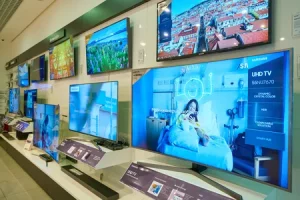
Shopping for a suitable TV for your household can be a challenging task. The various terminologies and lighting technologies used by TV makers can be confusing. If you have been searching for a TV, you might have come across some popular terminologies such as UHD, also referred to as 4K and QLED TVs.
QLED and UHD TVs (see also UHD and HD) are different technologies which makes it hard to determine which is better. The difference in technology affects their picture quality, viewing angles, power consumption, brightness, etc. Furthermore, QLED TVs are also UHD TVs as they have a minimum 4K resolution — see best 4K TVs by LG.
Key Takeaways
- It is difficult to compare the two technologies used in QLED and UHD TVs.
- A different name for UHD TVs is 4K TVs. The term describes the number of pixels a TV can display and the sharpness of the resulting image.
- A QLED TV is an upgraded version of a long-established LED-LCD TV. As was previously noted, QLED TVs are 4K TVs.
- When compared to LG UHD TVs or any other manufacturer, the Samsung QLED TV is a superior choice for a number of reasons.
So, should you buy a QLED or UHD TV?
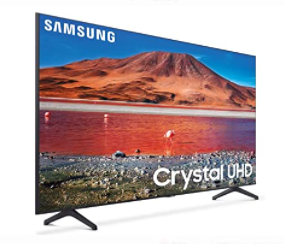
Best Overall Crystal UHD TV
Samsung 43-inch TU-7000
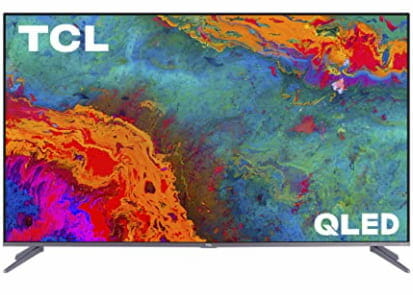
Best Overall QLED TV
TCL 50-inch QLED Roku Smart TV
Comparison Between Crystal UHD Vs. QLED TVs
Below we have comprehensively compared Crystal UHD Vs. QLED TVs, keep reading to know more.

What Are UHD TVs?
UHD TVs are also referred to as 4K TVs. The definition refers to how many pixels a TV can display and how crisp the resulting image will be. Since the late 1990s, high definition has been the standard for TVs, and it comes in two versions that include the 720p and 1080p. It was also known as the full high definition or FHD.
Unlike QLED TVs, UHD TVs are not new technologies. UHD (Ultra High Definition) technology has been around since the 2010s, and it is an improvement of the standard HD TV (see UHD versus HD). Ultra HD TVs can go up to 3840 x 216o pixels. If you want to purchase a TV, the 4K resolution is essential, as most content today is 4K.
What Are QLED TVs?
A QLED TV is a souped-up LED-LCD TV that has been around for a while. As mentioned before, QLED TVs are 4K TVs. Thus, it may not be possible to have a QLED TV without a 4K resolution. But it is possible to have a 4K TV without the QLED technology as there are other technologies with 4K resolution.
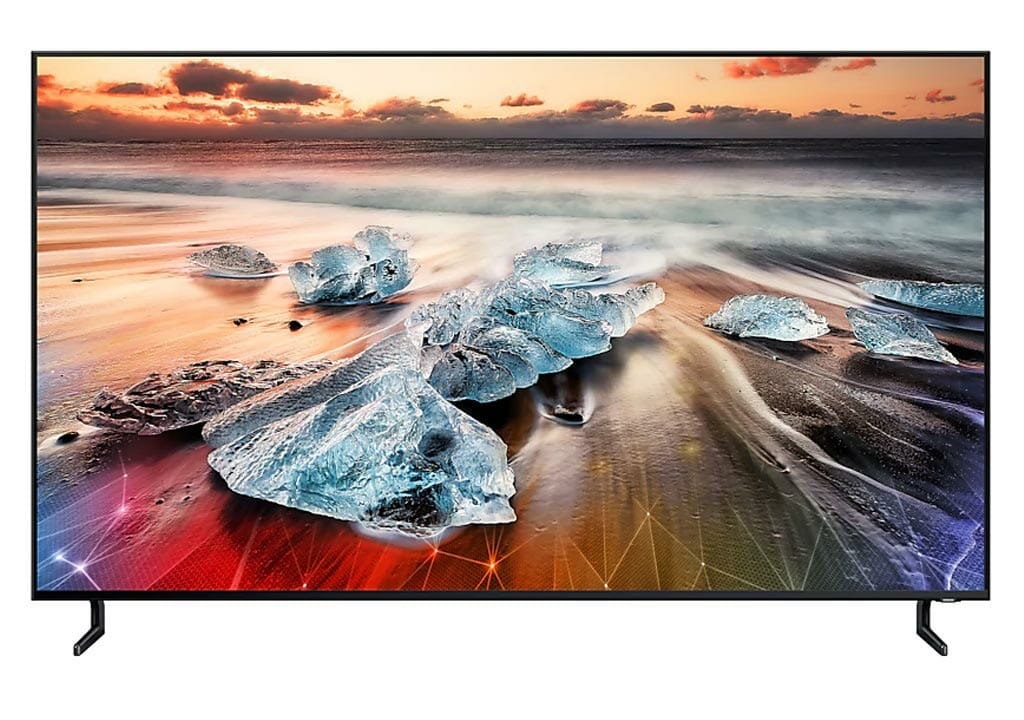
QLED refers to the quantum dot light-emitting diode. It is the premium TV panel technology of the Samsung brand, although it has other types of TVs which we also reviewed here. The quantum dots refer to particles that emit red and green lights when blue light passes through them.
Most LCDs use the LED (Light Emitting Diode) that shines through various layers of material to illuminate the LCD panel. Quantum dots are used in the middle layer between the LCD panel and the backlight. The dots make it possible for the TV to create a wider color palette or color gamut. The wider color gamut ensures better matching with HDR content than UHD TVs.
The wider color gamut combines with more dimming zones and brighter LEDs to offer an incredible watching experience.
The benefits of choosing a QLED TV include better brightness making it ideal for use during daytime or in brighter rooms. The panel type also deals better with reflection, enhancing the TV’s suitability for use in brightly lit rooms.
It also offers better color coverage, is more durable, and has no burn-in issues.
How Does the QLED Technology Work? Is it Different From the OLED One?
How does QLED work to offer high-quality images?
As mentioned earlier, QLED TVs use quantum dot filters between the LED backlight and the LCD panel. The quantum dot technology consists of tiny semiconductor particles. The ultra-small particles help to precisely control the color output, helping the QLED TVs excel in offering a broader color spectrum, better color accuracy, and brighter images.
One of the most asked questions in the TV market is the difference between QLED and OLED TVs (see best LG’s OLED TVs ). Some people think that QLED is an alternative to OLED (organic light-emitting Diode) because they have almost similar names.
The pixels in the QLED panel tech use direct LED backlighting and edge lighting to illuminate. Thus, QLED TVs may not show the dark areas in images, as well as the OLED TVs and OLED monitors . The OLED TVs control each pixel, meaning if a pixel is not emitting light, it is completely dark, which helps create better contrast. OLED TVs also offer wider viewing angles, meaning the image quality and color won’t be distorted irrespective of your viewing position. They are better for watching movies because they have better black levels and offer more fluid, fast motion.
QLED TVs are better when used in brightly-lit rooms. You can also use them as desktop PC monitors or laptops.
What Is Neo QLED, Micro LED, Mini LED TVs?
Samsung uses marketing creatives to come up with various terminologies, the latest being the Neo QLED. Neo QLED is Samsung’s name for what many TV makers are using, known as Mini LED. Mini LED is a technology that uses a microlayer over the backlight to guide the light of the Mini LEDs using quantum dots in QLED TVs. The result is having more control over the brightness control.
Additionally, the micro-LED is a new LED TV panel technology that is a threat to the QLED technology. The display technology uses pixel-sized LEDs for creating higher contrast and brighter images with less power.
Are QLED TVs Worth it Over UHD?
If you are considering buying a smart TV, you have several options of TV brands to consider. If you are considering the Samsung QLED TV against the LG UHD TVs, or any other brand, several factors make Samsung QLED the better option.
One incredible selling point of the Samsung QLED TVs is that they come with the Tizen smart TV operating system. The Samsung brand offers one of the best smart TV experiences in the TV market, but you should check out other brands like LG, or Toshiba TVs. For instance, the TVs come with a refined and intuitive interface that makes it effortless for users to operate. You don’t need advanced skills to set up and operate the Samsung QLED TVs.
The TVs also come with smart home controls. The controls enable you to integrate other smart home devices for easier control. Other premium features that you get from the QLED panels include the ambient mode.
The latest TVs from the brand — see best LG TVs here — also offer enhanced voice interaction aspects. They support Amazon Alexa, which enables you to use your voice to control smart home devices. It is also capable of connecting with Google and Amazon smart speakers.
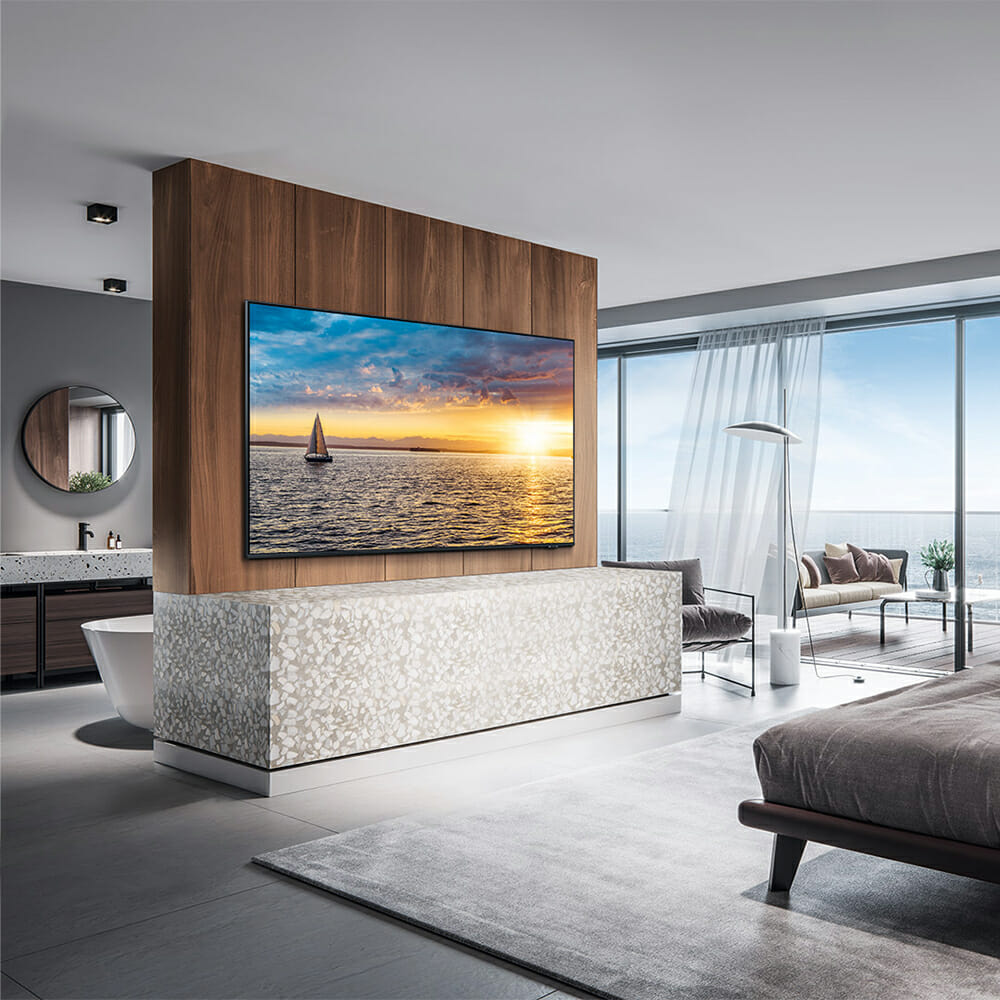
If you are interested in an 8K television, you might consider the Samsung QLED smart TVs instead of the UHD 4K TVs. Samsung has a line of 8K QLED TVs that offers the widest selection of sizes, prices, and models. While most of the 8K TV sets cost thousands of dollars, the brand offers 8K televisions at a budget. The TV sets like those from Hisense here are more affordable and will fit into users’ homes better than other brands’ large and premium TVs (see also Sharp TVs and Sony’s TVs).
Another reason you can choose the Samsung QLED is that it offers the best brightness performance and the best colors among the LCD TVs. Although other TV manufacturers are now using the quantum dot filter technology, Samsung is still the market leader in providing QLED products. Nonetheless, you can also check out if more budget friendly TVs offer similar performance.
Power efficiency is also a significant factor to consider when you want to buy any electronic. You would not want a TV set that consumes a lot of energy and pushes your monthly electricity bill up. Samsung QLED TVs offer you power efficiency. You only need the power to power the four LEDs that illuminate the LCD screen through the quantum dot layer. As such, it consumes much less power than UHDs and other LCD TVs.
Plus, the QLED TVs come with lots of features that make your watching and gaming experience incredible. For instance, Samsung screens are characterized by a fast response time. It takes a shorter time for a pixel to change from one color to the next. The first response time is ideal for gamers looking for an immersive gaming experience.
QLED TVs also don’t experience burn-in. Burn-in results from the pixels in the particular part of the screen being lit up most of the time. For instance, if you text a lot, you may realize an imprint of the keyboard is left on your screen. Burn-in doesn’t occur in QLED TVs as the pixels don’t light individually. Instead, the pixels light from the LEDs at the back of the LCD panel. Since the LEDs pass light through a filter, they don’t affect the screen directly, keeping it healthy and enhancing its durability.
Crystal UHD vs QLED TV- Which is Superior?
Crystal UHDs are regular LCD LED TVs that can handle 4K. The "crystal" processor that they come with is just a marketing gimmick. On the other hand, QLED TVs are a display technology that uses quantum dot film for ultra-high definition picture quality.
My cousin was looking at monitors recently, and wanted to either use a QLED or Crystal UHD TV on her computer. I showed her everything she needed to know, and have done the same for you.
Crystal UHD vs QLED TVs — Which is Better?
Now that we've run through what they are, let's get into what you're here for — which of them is the better choice.
To do this, I've discussed how QLED and Crystal UHD stack up in different categories.
1. Image Quality/ Resolution
Crystal UHDs are Samsung's entry-level LCD LEDs that come with 4K resolution. At the end of the day, they are capped at 4K resolution, while some QLED models can support 8K.
Also, QLED TV panel technology offers a better viewing experience. You'll get brighter images, super color gamut and color accuracy, and a high dynamic range.
Compared to other LCD TVs, Crystal UHD TVs are really reflective too. So they are not the easiest to watch during the day, while QLEDs are known for how well they can handle glare.
Winner: QLED panel
The Hisense U8H is a particularly popular QLED because of its display.
2. Gaming Features
It's a bit tough to compare QLED and Crystal UHDs when it comes to gaming. The brand and model you buy will play a major role in who wins this round.
Both QLED and Crystal UHD TV models come with gaming modes. Basically, they are optimized to handle lag better.
Some Samsung QLED TVs also come with G-Sync and advanced Motion smoothing.
We have to pick a winner, so I would go with QLEDs. They come with a more rich color reproduction which means a lot when gaming.
Winner: QLED TVs
The Samsung QN85QN90BAF is a particularly popular QLED with gamers.
3. Power Consumption
Power consumption is a major factor that not many people consider when buying TVs. At the end of the day, it will affect how high your electricity bill is, so it's quite important.
Quantum dot processors don't consume much power, so they take the crown here.
Winner: QLED TVs
The Samsung QN55Q70AAFXZA QLED TV is known for its energy efficiency.
4. Price
Samsung's crystal UHD sets are their entry-level 4k TVs. They produce some high-quality images, and are not that expensive. So they definitely win when it comes to price.
Winner: Crystal UHD Samsung TVs
The Samsung TU-8000 is an all-round excellent crystal UHD for its price.
Verdict
As a result, it's clear that QLEDs win the Crystal UHD vs QLED debate.
A QLED TV will make a great addition to your house, regardless of whether you're going to use it as a television or a monitor for your computer.
The Samsung QLED QN32Q60AAFXZA model is a personal favorite, as it comes with Alexa built-in to make it even easier to use.
What is Crystal UHD?
Crystal UHDs are Samsung's entry-level 4k televisions. They are pretty much the same as any other entry-level 4K LCD TV on the market.
However, Samsung won't tell you this:
They swear that their crystal UHDs are different because of their crystal processors, but this actually isn't the case.
If you do some digging, you'll see that the processor is just a marketing gimmick to help them stand out in the TV market.
Are Samsung Crystal UHDs Any Good?
Crystal UHDs have an LED backlight on top of their LCD panel, along with several layers of film to diffuse any light that passes through. You can expect an ultra HD viewing experience, as you get excellent sharpness and brightness.
The Samsung TV is also large, so this adds to your viewing experience. Most Crystal UHD TVs come in anywhere between 43 to 85 inches.
What Are QLED TVs?
QLED stands for Quantum dot light emitting diode — it is a color output technology that some LCD LED TVs have.
They use a quantum dot filter and colorless crystals to control color output when blue light passes through.
Although Samsung's QLED televisions are the most popular, other brands like Hisense and LG sell them too.
Are QLED TVs Any Good?
Yes. Your television screen will be vivid and sharp.
If you happen to buy one of Samsung's QLEDs, you will get their Quantum processor inside. This is good news, as you'll have an AI to upscale images and adjust brightness for you.
Some QLED TVs come with Object Tracking Sound, and other cool features like 8K resolution, improved local dimming, as well as smooth motion tracking.
What is the Difference Between the Crystal and QLED Processors?
Depending on the QLED TV you buy, the processor you get will differ. Samsung QLED Tvs come with the Quantum processor.
It's pretty good as it uses AI to upscale images, as well as help its quantum dot filters to produce some vibrant colors.
On the other hand, the Crystal processor is nothing but a marketing gimmick. Samsung states that you'll get a superior experience when watching movies, as it upscales 4K. However, the processor is not that special compared to other UHD processors on the market.
However, keep in mind that when you buy a Samsung QLED or Samsung Crystal UHD Smart TV, they both come with Bixby support, thanks to the processors inside. You will get a personal assistant to maneuver through your smart TV.
What is the Difference Between QLED and OLED TVs?
I know what you're wondering — are OLED TVs the same as QLEDs? Most people confuse the two because they have similar names. But they're two different technologies.
Let me break it down for you:
QLED TVs are basically LCD panels with improved color boosting. Meanwhile, OLEDs are not LCD. They use organic light emitting diode technology, or LEDs for their display.
I'm not talking about an LED backlight, as even QLEDs come with them. I'm talking about each individual pixels being tiny LEDs that can can emit light.
Ultimately, you get a superior contrast ratio and much darker blacks.
However, OLEDs do have a couple of issues with burnout.
What are NEO QLED, Micro LED and Mini LED TVs?
NEO QLEDs are like regular QLEDs, except that they come with tiny LED layers inside. These LEDs can dim the brightness in certain parts of the backlight, and give you a more dramatic viewing experience.
So far so good, but here's the thing — NEO QLEDs are the same as Mini LED TVs. They're another fancy marketing gimmick by Samsung to make their product look better.
Micro LED TVs on the other hand are completely different. They use pixel sized LEDs to create a higher contrast and brighter image, without consuming much power. Plus, they're so good that they're known as a direct competitor to OLEDs.
Is OLED Better than Crystal UHD?
Before moving onto the next section, let's compare Crystal UHD with OLED.
OLEDs are some of the best TVs on the market. They come with dynamic crystal color, as well as really rich dark tones. They beat out quantum dot filter technology, so they are automatically superior to Crystal UHDs too.
Quite a few TV brands produces OLED TVs, so you won't just be restricted to Samsung products, unlike with Crystal UHDs.
Just note that they are more expensive. Crystal UHDs are entry-level, while OLEDs are more premium.
Related Posts:
Answered below are some popular questions.
Will a QLED TV Last Longer Than an OLED TV?
Most QLED TVs can last for around 10 years, especially if you buy a particularly good model.
If you constantly binge-watch shows on it, however, it won't last as long. You can expect it to last for around 7 years.
When it comes to QLEDs, the first part that will malfunction is usually their LED backlights.
What about OLEDs? Once again, the TV manufacturer and model that you buy will affect how long your TV will last. However, you can expect it to last around 10 years on average.
If you don't take care of it or are heavy-handed with usage, it won't last as long, like with QLEDs.
Final Thoughts
There are quite a few differences between Crystal UHD vs QLED. First up, Crystal UHD is a special feature, while QLED is a color output technology. Crystal UHDs are marketing gimmicks to stand out in the TV industry, as they're just ordinary UHDs.
According to Samsung, they have a special crystal processor, but it doesn't actually do anything. They're essentially LCD TVs that have an LED back light that can handle 4K television.
On the other hand, there is also Quantum dot technology. QLED Technology basically means that you will be getting an LCD screen that uses a special quantum dot layer to enhance colors, which results in more vibrant picture quality.
At the end of the day, I recommend QLED TVs. QLED panels come with better picture quality and also have a deeper black.
In my opinion, Samsung QLED QN32Q60AAFXZA TV is especially good — quite a few TV manufacturers make their own.
I also touched on how Crystal UHD TVs compare against OLED display panel technology, and whether the picture quality is different between OLEDs and QLEDs. Hopefully you found all the points discussed useful.
Crystal UHD vs QLED Displays on Smart TVs

For most people, choosing the right TV can be a very daunting and confusing task. There are so many features to consider and equally as many gimmicks to dodge before spending your money. You have to consider specifications, panel types, costs, and technologies, just to name a few variables. Have you been doing window shopping for your next TV and narrowed it down to a couple of models? It is likely that you have narrowed your search down to two very competitive models: Crystal UHD and QLED.
Samsung is responsible for the introduction of both Crystal UHD and QLED. This is why they are mainly found on Samsung TVs and monitors. This does not stop other manufacturers from establishing similar products that claim to have similar technologies and features. In this post, we will make it easier for you to close your search by putting up the Crystal UHD against QLED. We shall look at what similarities both technologies share, and how they differ. And even more importantly find out which one is better.
Related Post:
- How To Buy A Gaming TV (2022 Buyer’s Guide)
- What’s an 8K Ultra HD Display?
What Is Crystal UHD Display Technology?
As the name suggests, Crystal UHD uses a special nanocrystal layer to enhance contrast and color reproduction. The end result is a more realistic image. Crystal UHD is a technology developed by Samsung intended to offer better picture quality than traditional 4K LED TV displays. This is a relatively new technology with a lot of potential to be the next standard for TV displays.
The Crystal UHD concept came from Samsung as a promise of a crystal clear picture to consumers. The stand-out feature of Crystal UHD displays is their accurate color production. Which is a result of the crystal layer that filters out colors much better than QLED. Additionally, since the crystal layer can block out more light, it results in deeper blacks and brighter whites. This means much better contrast ratios.
Related Post:
- LED, LCD, OLED, QLED: Understanding smart TV display Tech
- HDR Standards Explained — HDR10, Dolby Vision, HLG
Colour Accuracy and Picture Brightness
The color production of Crystal UHD is very consistent and very accurate hence there is no color bleeding or misrepresentation. This a display that is best suited for professional applications where color correctness is of paramount need. All thanks to their wide color gamut. A potential downside of Crystal UHD displays is that they suffer reduced brightness output when compared to some other high-end displays. This is especially so if you are using them in locations with high ambient lighting. Though it can be partially mitigated by getting a Crystal UHD display that is HDR enabled. That is if you need brighter picture outputs.

Crystal UHD displays use LED backlighting that produces a brighter picture than traditional LCD displays. But not as much as QLED displays. We have to emphasize that even though the brightness levels are decent for a majority of applications, it is not the best in the market. Also, the backlighting of a Crystal UHD display can be adjusted to suit your comfort levels. This is also what contributes to the wide viewing angle of these types of displays. They are excellent displays for persons who are looking for a clear picture that can be viewed from every angle in their living room.
Related Post:
- HD, FHD, Quad-HD, UHD: Understanding High Definition video resolutions
What Is QLED Display Technology?
QLED stands for Quantum Dot Display where quantum dots are embedded in a matrix layout to make a display panel. Quantum dots are minute semiconductor crystals that emit light when you excite them using an electric current. The quantum dots are what illuminate and display pictures using the Red, Green, and Blue (RGB) format. QLED displays are an advancement of LED displays that can be found in a wide variety of products ranging from mobile phones, to TVs, and PC monitors.
A benefit of QLED displays is that they are more energy efficient than Crystal UHD hence your power bills will be lower. Additionally, QLED displays can be made much thinner than their counterparts; the Crystal UHD. A downside to QLED displays is that they are usually more expensive than their counterparts for similar sizes and specs.
Related Post:
- How different is 8K from 4K?
- Best Web Browser For Your Android TV
Colour Accuracy and Picture Brightness
The wavelength of the light that is emitted by the quantum dots is what determines the color output of a QLED display. QLED panels can display a wide range of colors because each quantum dot can emit light at a specific wavelength. This means that QLED displays are capable of producing a wide range of colors, some of which cannot be seen by the human eye. Just like with picture color accuracy, the brightness of QLED displays also depends on the wavelength of light that is emitted by the quantum dots.
What Should You Choose: Crystal UHD or QLED
As you may already guess, there is no simple answer on which is better when choosing between Crystal UHD and QLED TVs. It all depends on your specific preferences and needs because both have their advantages and disadvantages.
With Crystal UHD TVs you can expect better color accuracy and a wider color gamut than QLED. They also have a decent peak brightness which is good for HDR content. On the downside, Crystal UHD TVs have a lower level of local dimming compared to QLED TVs. That means that in dark rooms your black will not be as dark as compared to QLED.

On the other hand, QLED TVs boast better local dimming meaning they are brighter than Crystal UHD TVs. That makes them best for use in rooms with a lot of ambient lighting. QLED TVs also have lower input lag than Crystal UHD which means that they are better for gaming. But keep in mind that their color performance is not as good as that of Crystal UHD displays.
The bottom line here is that if you are looking for the best possible picture quality buy yourself a Crystal UHD TV. But if you are looking for the best performance in gaming you are better off with a QLED TV. Do you already own a TV with either of these technologies? Kindly leave us a comment down below with your experiences so far.
Related Post:
- What 4K HDR and how different is it from 4K UHD
- What are Mini-LED TVs and Why Do They Matter Now
LIKE WHAT YOU ARE READING?
Sign up to our Newsletter for expert advice and tips of how to get the most out of your Tech Gadgets
Subscribing to our newsletter indicates your consent to our Terms of Use and Privacy Policy. You may unsubscribe from the newsletters at any time.